


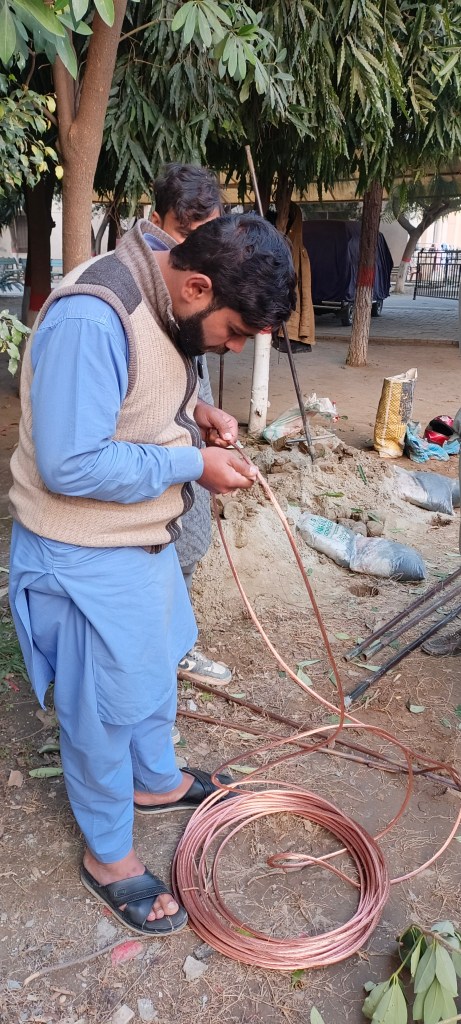
Grounding (or earthing) is the unsung hero of any solar installation. While it doesn’t help generate more power, it is the primary reason your house doesn’t burn down and your electronics don’t fry during a surge.
Here is a breakdown of why earthing is non-negotiable for your solar panels, inverter, and AC side, along with why copper is the gold standard for the job.
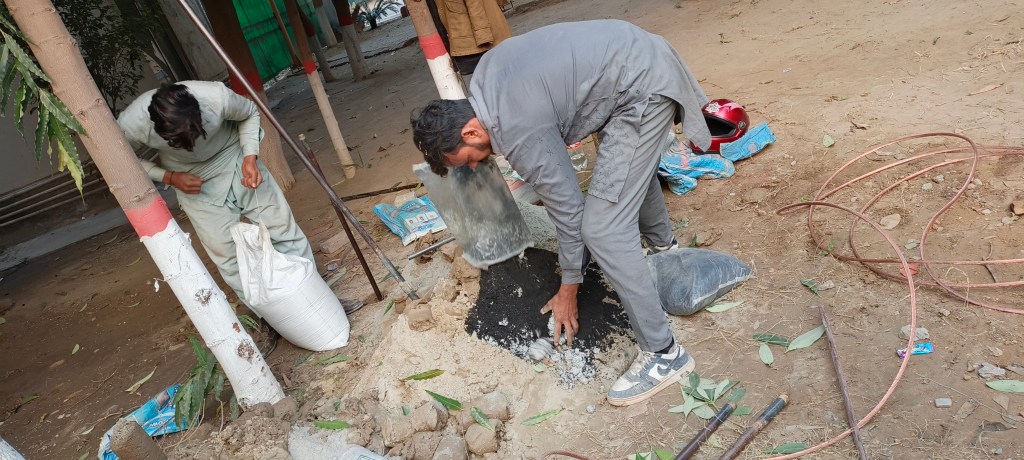
- Why Earthing is Necessary
Earthing provides a low-resistance path for fault currents to travel safely into the ground. Without it, the “path of least resistance” could be you or your expensive appliances.
For Solar Panels (DC Side)
Solar panels are usually installed on rooftops—the highest point of a building—making them prime targets for lightning strikes.
- Static Dissipation: Friction from wind and dust can build up static charges on the aluminum frames. Earthing drains this charge.
- Lightning Protection: If lightning strikes near the array, the earthing system directs the massive voltage surge into the earth rather than through your inverter.
- Leakage Current: Over time, panel insulation can degrade. Earthing prevents the metal mounting racks from becoming “live” and dangerous to touch.
For the Solar Inverter
The inverter is the “brain” of the system, switching high-voltage DC to AC. - Equipment Longevity: Sensitive internal electronics can be damaged by “floating” voltages. Proper grounding stabilizes the voltage potential.
- Shock Prevention: If an internal component fails and touches the inverter’s metal casing, the earthing system will trigger the circuit breaker or RCD (Residual Current Device), cutting power before someone gets shocked.
For the AC Side (Output)
The AC side connects your solar power to your home’s main grid and appliances. - Surge Protection: Inverters often include Surge Protection Devices (SPDs). These devices only work if they have a solid ground wire to dump excess energy into.
- Fire Prevention: Short circuits generate immense heat. A grounded system ensures the fault is detected instantly, tripping the breaker and preventing electrical fires.
- Why Use Copper for Earthing?
While aluminum or galvanized iron (GI) are sometimes used to save money, pure copper is the preferred material for several critical reasons:
- Superior Conductivity: Copper has one of the highest electrical conductivity ratings of any metal. In a fault scenario, you want the current to move as fast as possible to the ground; copper facilitates this better than almost any other material.
- Corrosion Resistance: Earthing rods are buried in soil, which is often moist or acidic. Copper develops a protective oxide layer that prevents deep rusting, ensuring the connection remains solid for decades.
- Thermal Stability: During a lightning strike, the earthing wire carries a massive amount of heat. Copper has a high melting point and won’t easily snap or degrade under thermal stress.
- How to Check Copper Quality
Not all “copper” is created equal. To ensure your system is safe, you should perform these checks:
Check Type What to Look For
The Bend Test Pure copper is highly malleable. If the wire feels very stiff or “snaps” easily, it likely has high impurities or is just copper-coated steel.
Color Consistency Use a file or sandpaper to scratch the surface of the rod or wire. If the color inside is silver/white, it is Copper-Clad Aluminum (CCA). It should be reddish-gold all the way throug.
Weight Copper is dense. A genuine copper earth rod will feel significantly heavier than a hollow or plated alternative.
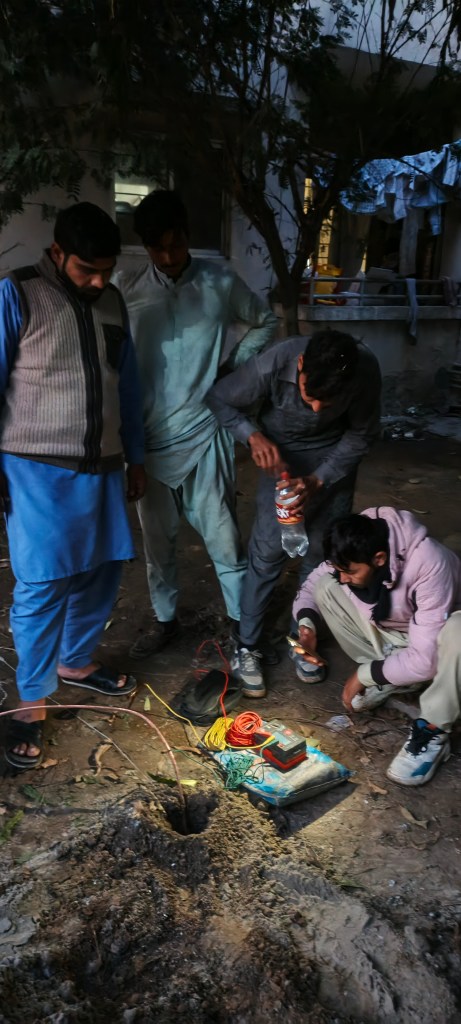
Resistance Test Use an Earth Resistance Tester (Megger). A good copper earthing system should ideally show a resistance of less than 5 Ohms (lower is always better).
Summary Checklist
contact us now.
https://vt.tiktok.com/ZSapBT62o/
+923351861321


Leave a Reply