


PAK SOLAR
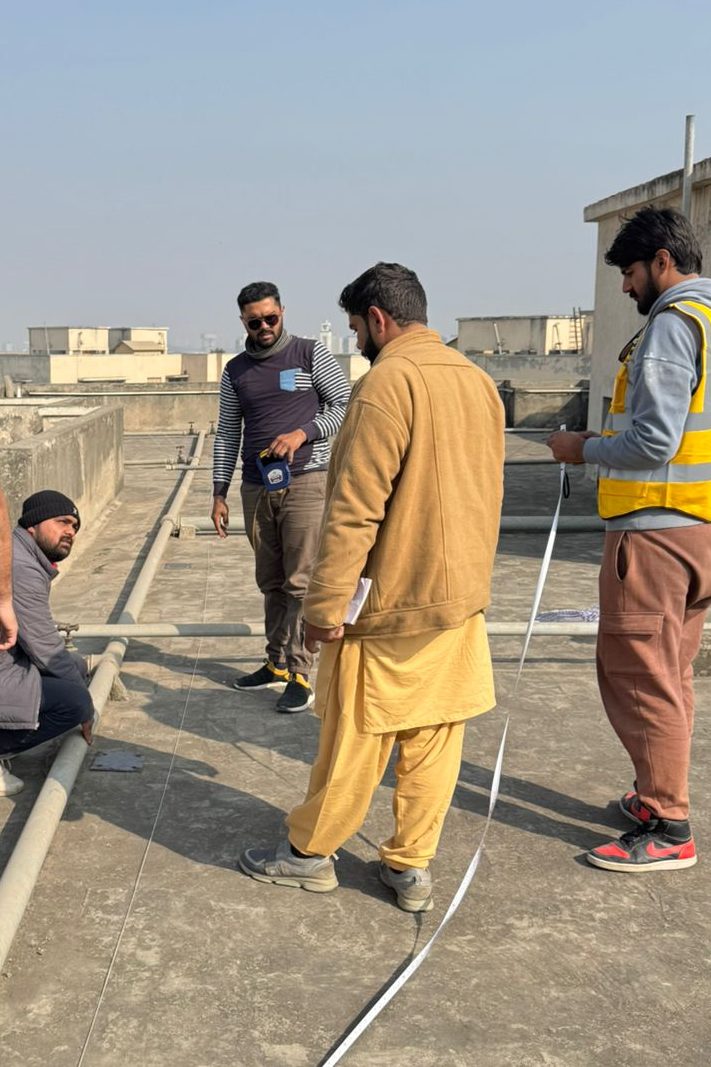
Marking for a solar structure is critically necessary, acting as a fundamental, non-negotiable step in the pre-installation and construction phase to ensure safety, structural integrity, and regulatory compliance. Precise marking ensures that the mounting, racking, and panel placement align with engineering plans, preventing structural failures from wind or snow loads, and ensuring proper electrical grounding.
Here is a detailed breakdown of why, how, and what needs to be marked:
- Why Marking is Essential
Structural Integrity: Marking identifies the precise location of rafters, trusses, or, in ground-mounted systems, the exact, pre-calculated points for pile-driven or concrete foundations. Incorrect placement can cause the structure to fail under weight or wind pressure.
Safety Compliance (Codes): Safety codes require proper spacing, flashing for waterproofing, and clear, labeled pathways for emergency responders. Marking prevents incorrect, “free-for-all” installations that violate building regulations.
System Performance: Accurate marking ensures the array faces the optimal direction (e.g., South in the northern hemisphere) at the correct, calculated tilt angle, maximizing energy production and minimizing shading.
Operational Safety (Grounding): Components must be marked and installed to ensure they are properly grounded to prevent electrical hazards. - What Must Be Marked
Rafter/Joist Locations (Rooftop): Before drilling, the exact positions of structural roof members must be marked to ensure mounts are anchored into strong, load-bearing wood or steel.
Foundation/Piles (Ground-Mount): The exact location for posts, pile driving, or pre-cast concrete blocks must be marked based on the site plan.
Module Rows/Columns: Markings on the rails for clamp placement ensure uniform spacing, which is crucial for structural stability.
Safety Labels/Signage: Permanent labels, such as those for rapid shutdown, must be placed near electrical equipment (within 3 ft of switches). - Consequences of Poor Marking
Roof Leaks: Improperly marked and drilled holes can bypass flashing, leading to severe water damage.
Structural Damage/Failure: If the structure is not anchored to the, for example, center of a truss because of inaccurate marking, the entire array could fail during high winds.
Failed Inspections: Local authorities (AHJs) will not provide a completion certificate if the installation does not match the approved plans.
Summary of Necessary Practices
Plan First: Create a full, detailed installation design before marking.
Use Proper Tools: Use professional measurement tools to ensure accuracy to the millimeter.
Locate Utilities (Ground): Call local authorities to mark underground power linesand septic systems before digging. - In summary, marking is a mandatory part of a, safe, and efficient solar installation, enabling, not just guiding, the structural and electrical, assembly.
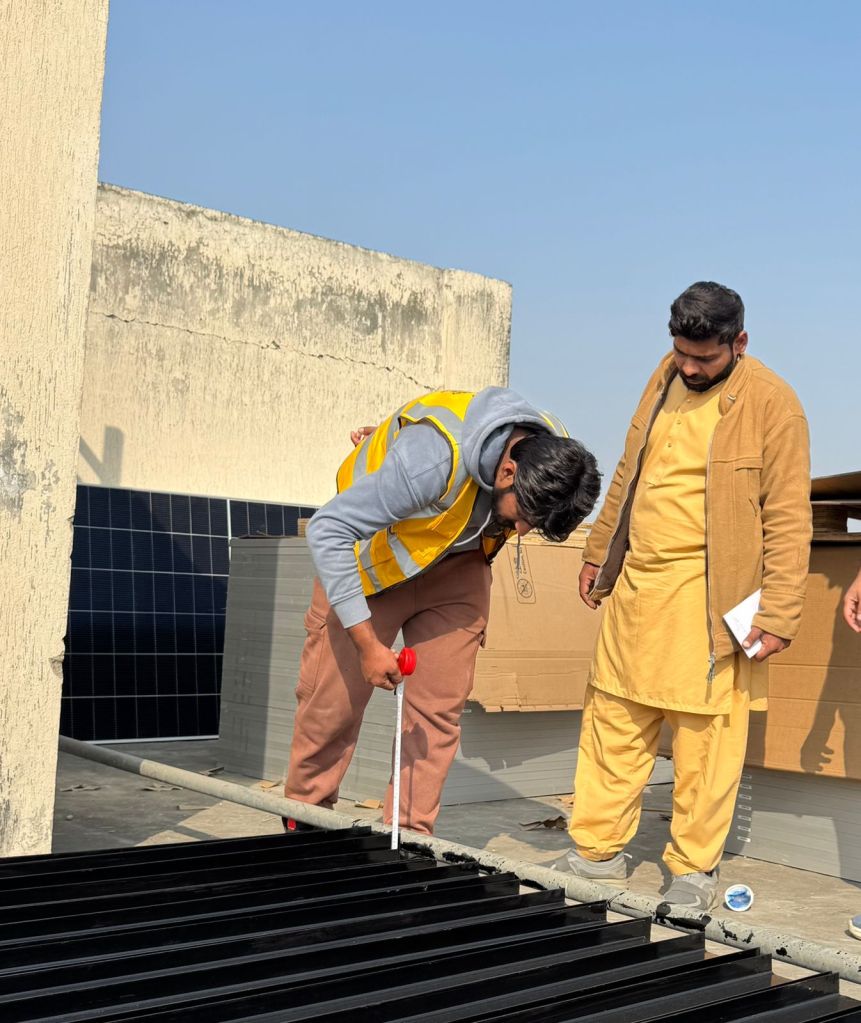
Checking the structural material for a solar installation is not merely a technical formality; it is the fundamental cornerstone of the entire investment. In 2026, as solar technology advances with higher-wattage, heavier panels and more extreme global weather patterns become the norm, the necessity of rigorous material inspection has shifted from “recommended” to “mandatory” for safety, financial viability, and long-term performance.
The primary necessity for checking materials lies in structural integrity and load management. A solar mounting system must withstand three distinct types of pressure. First is the “dead load,” which is the static weight of the solar modules, rails, and hardware. Second is the “wind load,” perhaps the most dangerous factor, as solar arrays act like sails; high-velocity winds create upward lift and downward pressure that can tear a system from a roof or ground foundation if the material tensile strength is insufficient. Third is the “snow load,” where hundreds of pounds of accumulated snow can bend or snap inferior metals. By verifying that materials meet specific engineering standards—such as high-grade 6005-T5 Aluminum or Hot-Dip Galvanized Steel—you ensure the framework can handle these dynamic forces for 25 to 30 years without catastrophic failure.
Beyond physical strength, corrosion resistance is the most critical factor for the system’s lifespan. Solar structures are perpetually exposed to the elements, including UV radiation, humidity, and atmospheric pollutants. If the material is not checked for proper protective treatments, the structure will suffer from oxidation. For example, in coastal regions, the salt-laden air acts as a catalyst for rust. Utilizing anodized aluminum or steel with a zinc coating thickness of at least 80–120 microns is essential. Without verifying these specifications, a structure that looks sturdy during installation may become structurally unsound within five years, leading to a “total loss” scenario where the entire array must be dismantled to replace the rusted mounting.
Furthermore, material checking is vital to prevent galvanic corrosion. This chemical reaction occurs when two dissimilar metals—such as an aluminum rail and a carbon steel bolt—come into contact in the presence of moisture. This leads to the rapid degradation of the “less noble” metal, effectively eating away at the connection points. Professional material inspection ensures that all fasteners are made of high-quality stainless steel (grade SUS304 or SUS316) and that appropriate isolation gaskets are used where different metals meet. Neglecting this detail often leads to the loosening of panels, which creates a fire hazard due to electrical arcing or a physical hazard if a panel becomes airborne.
From a financial and regulatory perspective, checking materials is a prerequisite for insurance and warranty coverage. In 2026, most insurance providers require a structural stability certificate signed by a licensed engineer before they will cover a property with a solar installation. If an accident occurs and it is discovered that the materials used were sub-standard or did not meet local building codes, the insurance claim will likely be denied. Similarly, solar panel manufacturers may void their product warranties if the mounting system is found to be inadequate, as a flexing or vibrating structure can cause “micro-cracks” in the silicon cells, permanently reducing energy output.
Finally, the efficiency of the energy system itself depends on the material’s precision. High-quality materials allow for “leveling” and precise tilt adjustments. If a structure is made of cheap, malleable metal, it may sag over time, altering the angle of the panels and reducing their exposure to the sun. In large-scale operations, even a 2-degree shift in tilt due to structural warping can result in thousands of dollars of lost revenue over the system’s life.
In conclusion, checking the structural material is the most effective way to mitigate risk. It transforms a solar array from a high-risk liability into a durable, multi-decadal asset. By ensuring the materials are certified, corrosion-resistant, and engineered for specific local loads, property owners protect their families, their buildings, and their financial futures. Choosing the right material is not an added cost; it is the insurance policy that guarantees the sun’s energy can be harvested safely and reliably for decades to come.
Need More Information
contact us we are available at whatsapp and social media
+923351861321
https://www.facebook.com/profile.php?id=61569362832102
https://www.instagram.com/paksolar_solution/
 PAK SOLAR SOLUTIONS