


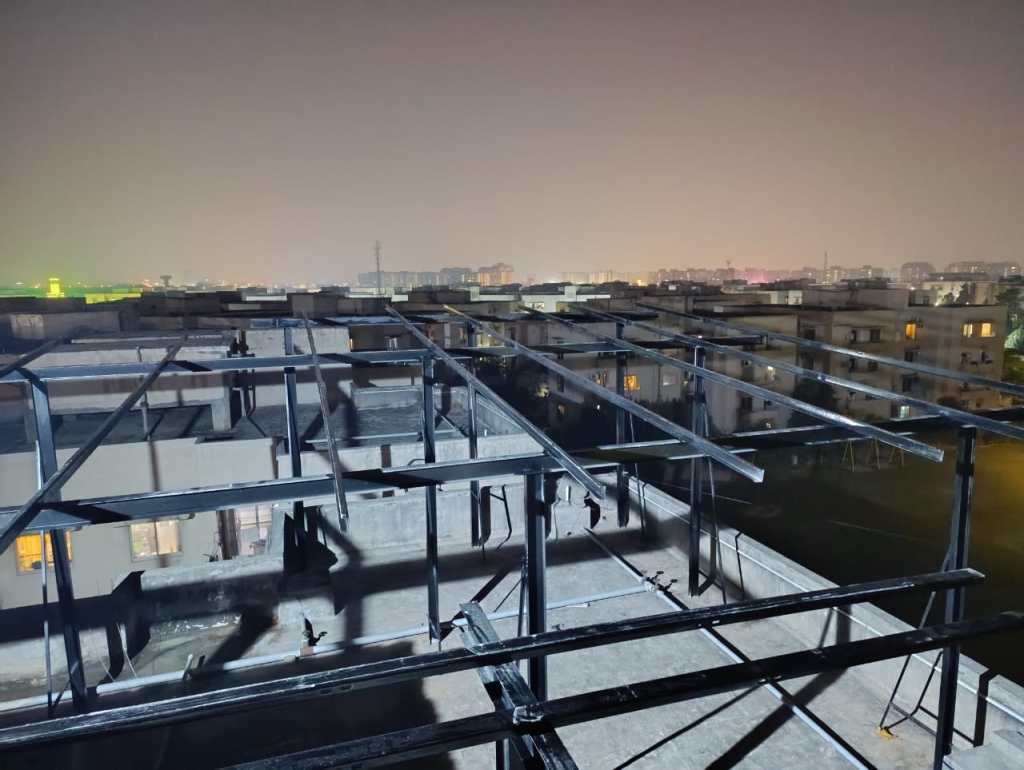
Why the Inspection and Checking of Solar Structures Is Necessary on a Daily Basis
The rapid growth of solar energy systems has made them a critical part of modern power generation. Solar structures, including photovoltaic (PV) panels, mounting systems, electrical connections, and supporting frameworks, are exposed continuously to environmental and operational stresses. Because of this constant exposure, daily inspection and checking of solar structures is essential to ensure safety, efficiency, durability, and uninterrupted energy production. Regular monitoring helps identify problems at an early stage, prevents costly failures, and ensures that solar installations operate at their maximum potential.
One of the most important reasons for daily inspection of solar structures is safety. Solar installations involve electrical components, elevated structures, and heavy materials. Loose bolts, damaged mounts, cracked panels, or exposed wiring can pose serious risks to maintenance personnel and nearby people. Environmental factors such as strong winds, heavy rain, dust storms, or extreme temperatures can weaken structural components over time. Daily checks allow technicians to detect these hazards before they escalate into accidents, electrical shocks, fires, or structural collapses. By maintaining a routine inspection schedule, safety risks are minimized, and compliance with occupational health and safety standards is ensured.
Another key reason for daily inspection is to maintain optimal energy efficiency. Solar panels are designed to convert sunlight into electricity as efficiently as possible, but their performance can be affected by many small issues. Dust accumulation, bird droppings, fallen leaves, or debris can partially cover the panels and significantly reduce power output. Even minor shading on a portion of a panel can lead to a noticeable drop in overall system efficiency. Daily inspection helps identify cleanliness issues and physical obstructions early, allowing timely cleaning and corrective action. As a result, the solar system continues to produce energy at or near its designed capacity.
Daily checking of solar structures is also necessary to detect mechanical and structural degradation. Over time, metal supports may corrode, fasteners may loosen, and mounting frames may shift due to thermal expansion and contraction. These changes often occur gradually and may not be noticeable during infrequent inspections. However, if left unchecked, they can lead to misalignment of panels, reduced exposure to sunlight, or even complete structural failure. Regular daily inspections help ensure that all components remain properly aligned, securely fastened, and structurally sound, thereby extending the lifespan of the solar installation.
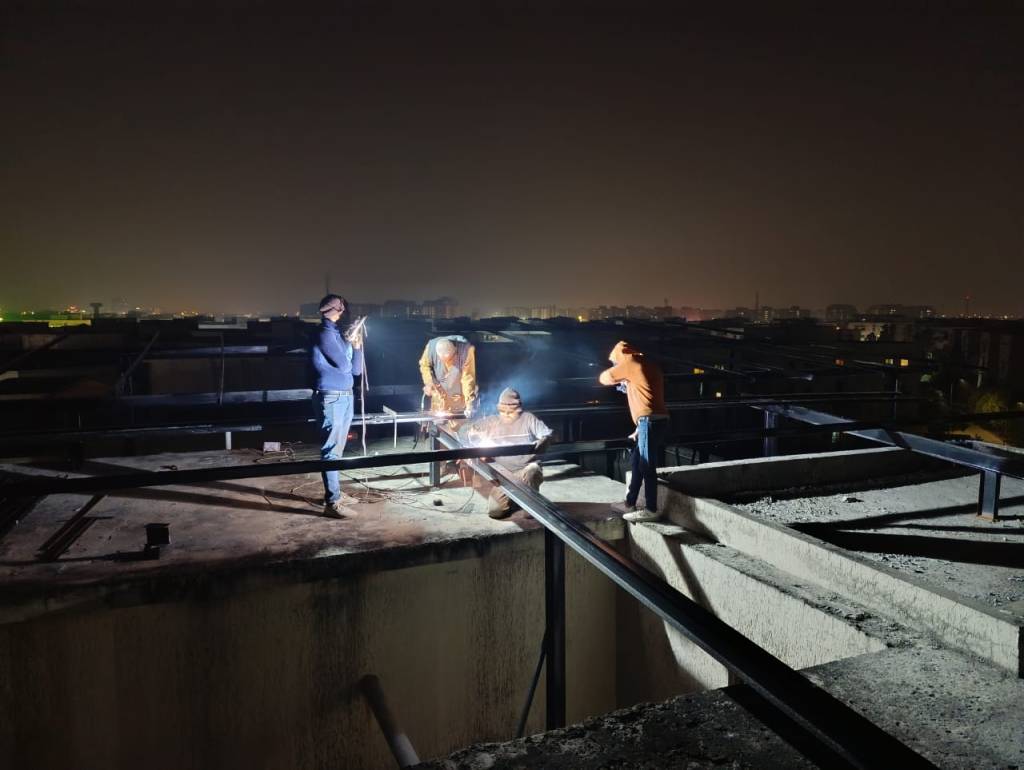
Electrical reliability is another critical factor that makes daily inspection essential. Solar systems include cables, junction boxes, inverters, and grounding systems that must function correctly to deliver safe and stable power. Loose connections, insulation damage, moisture ingress, or overheating components can lead to energy losses, system shutdowns, or fire hazards. Daily monitoring allows technicians to identify abnormal conditions such as unusual heat, noise, or warning indicators. Early detection ensures quick repairs, reduces downtime, and prevents small electrical faults from turning into major system failures.
Environmental exposure further emphasizes the importance of daily inspection. Solar structures are installed outdoors and are constantly subjected to sunlight, rain, wind, dust, humidity, and temperature variations. In some regions, wildlife such as birds, rodents, or insects can also interfere with wiring and panel surfaces. Extreme weather events can cause sudden damage that may not be immediately obvious without inspection. Daily checks help confirm that the system has not been affected by recent environmental conditions and remains in proper working order.
From an economic perspective, daily inspection helps reduce maintenance costs and protect investment. Solar power systems require significant initial capital, and their profitability depends on long-term reliable performance. Small issues, if ignored, can develop into costly repairs or force extended system downtime. Regular inspection allows for preventive maintenance, which is generally far less expensive than emergency repairs or component replacement. By ensuring consistent energy production and avoiding unexpected failures, daily inspections improve the return on investment and financial sustainability of solar projects.
Daily inspection is also important for regulatory compliance and quality assurance. Many solar installations must meet national and international standards related to safety, performance, and environmental protection. Routine checks help ensure that the system remains compliant with these standards throughout its operational life. Accurate inspection records also provide valuable documentation for audits, insurance claims, and performance evaluations. This documentation demonstrates responsible operation and proper system management.
In addition, daily inspections support long-term system reliability and lifespan. Solar panels and structures are typically designed to last 20 to 25 years or more, but achieving this lifespan depends heavily on consistent care and monitoring. Early detection of wear and tear, material fatigue, or component malfunction allows timely intervention and replacement. This proactive approach prevents cumulative damage and ensures that the system continues to operate efficiently for many years.
In conclusion, the daily inspection and checking of solar structures is a critical practice that ensures safety, efficiency, reliability, and economic viability. Solar installations operate in challenging outdoor environments and are subject to mechanical, electrical, and environmental stresses. Regular daily inspections help identify hazards, maintain optimal energy output, prevent costly failures, and extend system lifespan. As solar energy continues to play a growing role in global power generation, disciplined inspection routines will remain essential for maximizing performance and ensuring sustainable, safe, and reliable solar power systems.
FOR MORE INFOMITION
CONTACT US AT WHATSAPP AND SCOCIAL MEDIA
WHATSAPP +923351861321
FACEBOOK https://www.facebook.com/share/p/1CMdj6MLrr/SITE INSPECTIONS
INSTAGRAM https://www.instagram.com/p/DUEA73HEg3y/?utm_source=ig_web_copy_link&igsh=MzRlODBiNWFlZA==SITE INSPECTIONS
TIKTOK
 PAK SOLAR SOLUTIONS
Leave a comment